
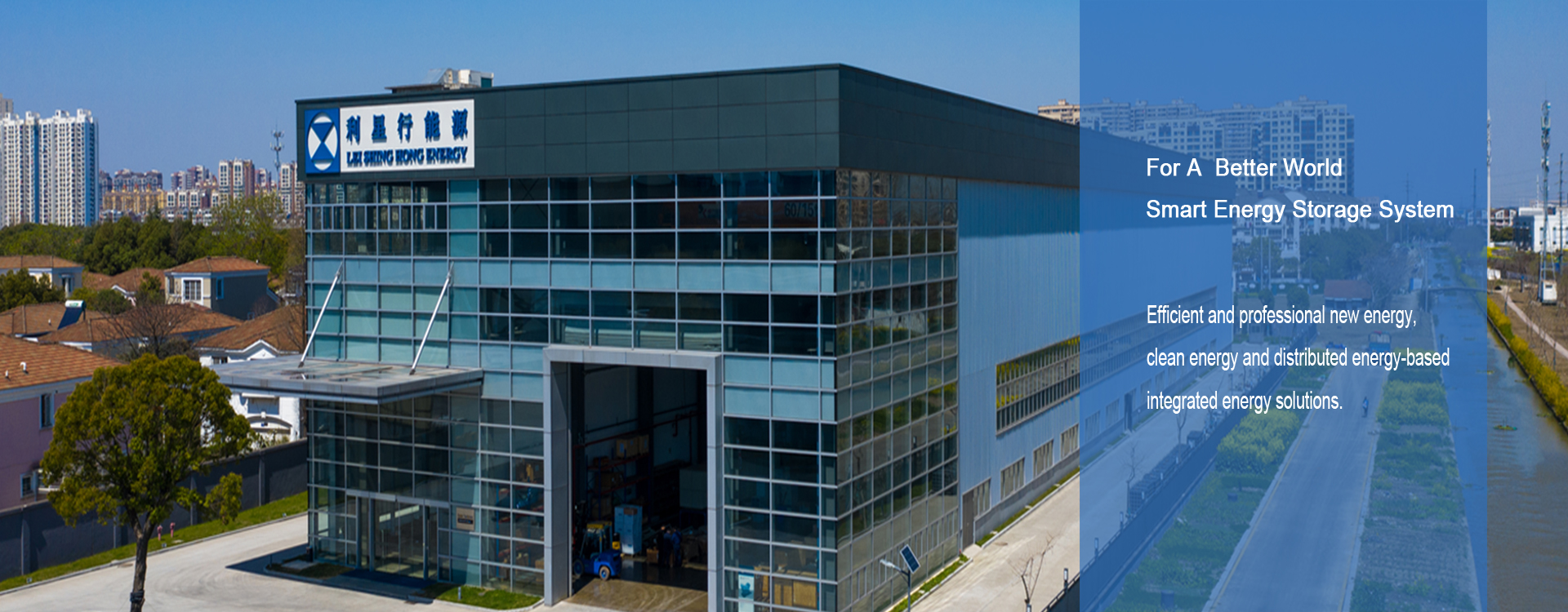
As businesses place greater emphasis on energy costs, power reliability and the efficient use of renewable energy, Battery Energy Storage Systems (BESS) are being adopted across an increasingly diverse range of applications.
In Malaysia, Lei Shing Hong Energy is applying BESS across industrial, commercial and renewable energy projects, addressing different energy needs including reducing reliance on diesel generation, supporting operations in areas with weaker grid conditions, and improving the utilization of solar power.
Three projects, three different applications — highlighting the growing role of energy storage beyond traditional backup power.

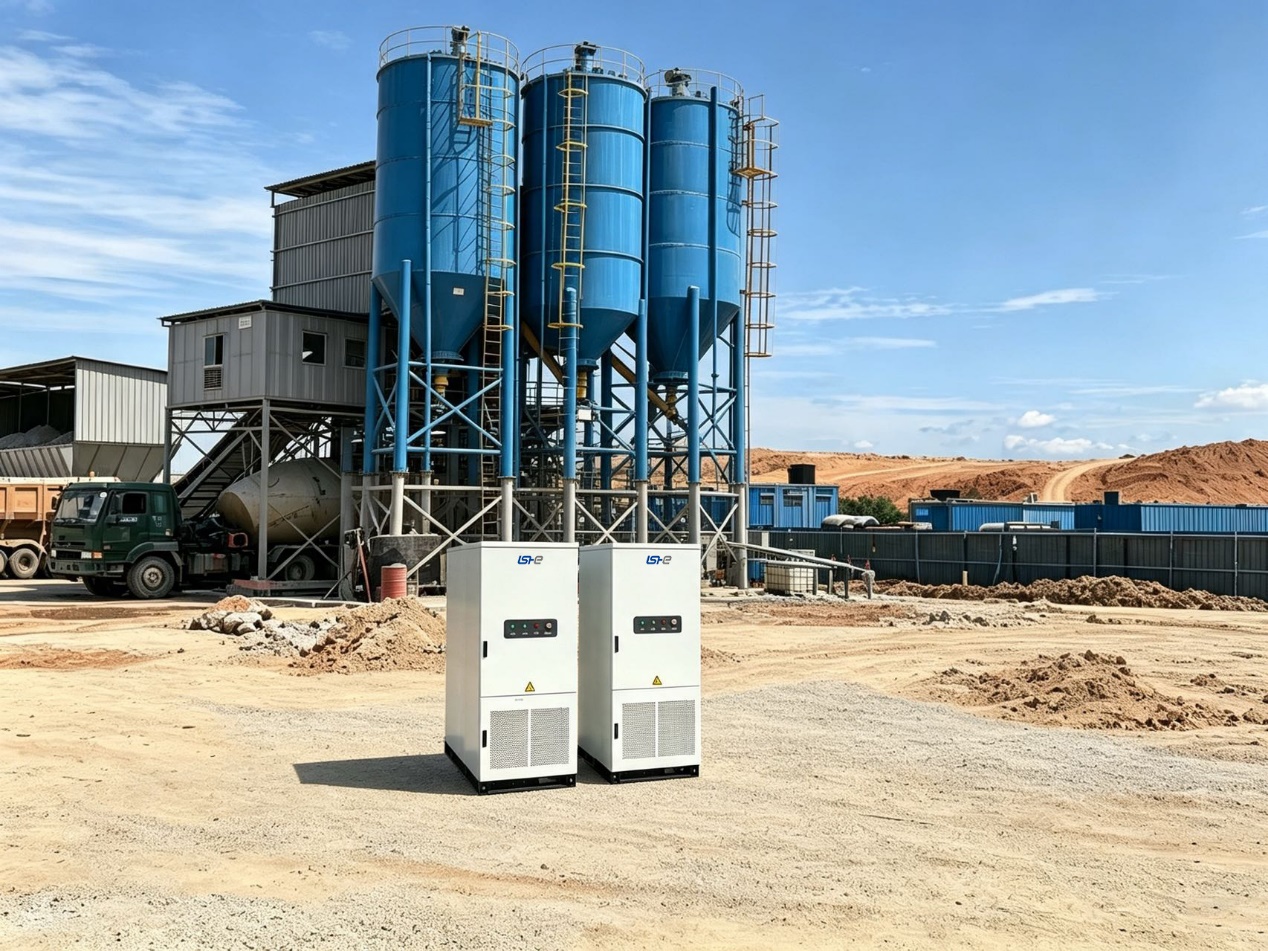
Industrial Application: Replacing Diesel Generation and Supporting Grid Stability
At a batching plant project in Kuala Lumpur, diesel generator sets had previously been used to support part of the site’s power requirements.
Industrial facilities can have significant and dynamic loads, including inductive loads that may place additional demands on a relatively weak grid. To address these operating conditions, Lei Shing Hong Energy implemented a BESS solution to reduce the site’s reliance on diesel generation.
The BESS provides flexible power support and responds to changes in site demand, helping to manage load fluctuations and reduce the need for diesel generation. The solution also supports more stable power operation under weak-grid conditions, while providing an opportunity to optimize the site’s overall energy costs.
Commercial Application: Moving Beyond Backup Power
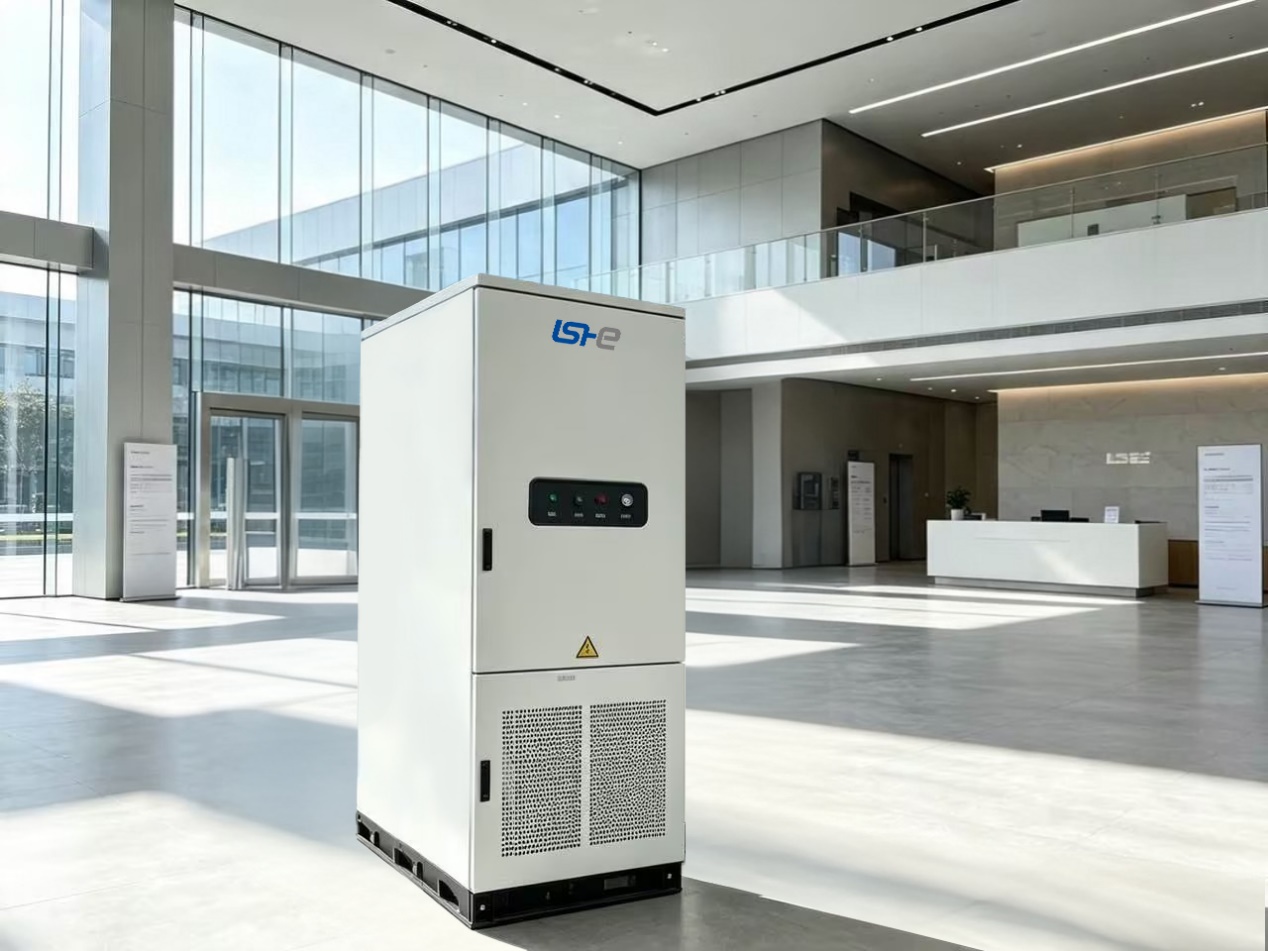
At a Sales Gallery project in Johor, maintaining a reliable power supply is an important consideration for day-to-day operations and customer experience.
Lei Shing Hong Energy deployed a BESS solution to replace diesel generator sets and provide flexible power support based on the site’s load profile.
By helping manage demand and reducing reliance on the local grid during periods of higher load, the BESS supports a more flexible approach to energy management. Depending on the site’s operating strategy and electricity tariff structure, energy storage can also be incorporated into daily energy management to help optimize electricity consumption.
In this application, BESS serves not only as a backup solution, but also as part of the site’s broader energy management strategy.
Solar + Storage: Improving Renewable Energy Utilization
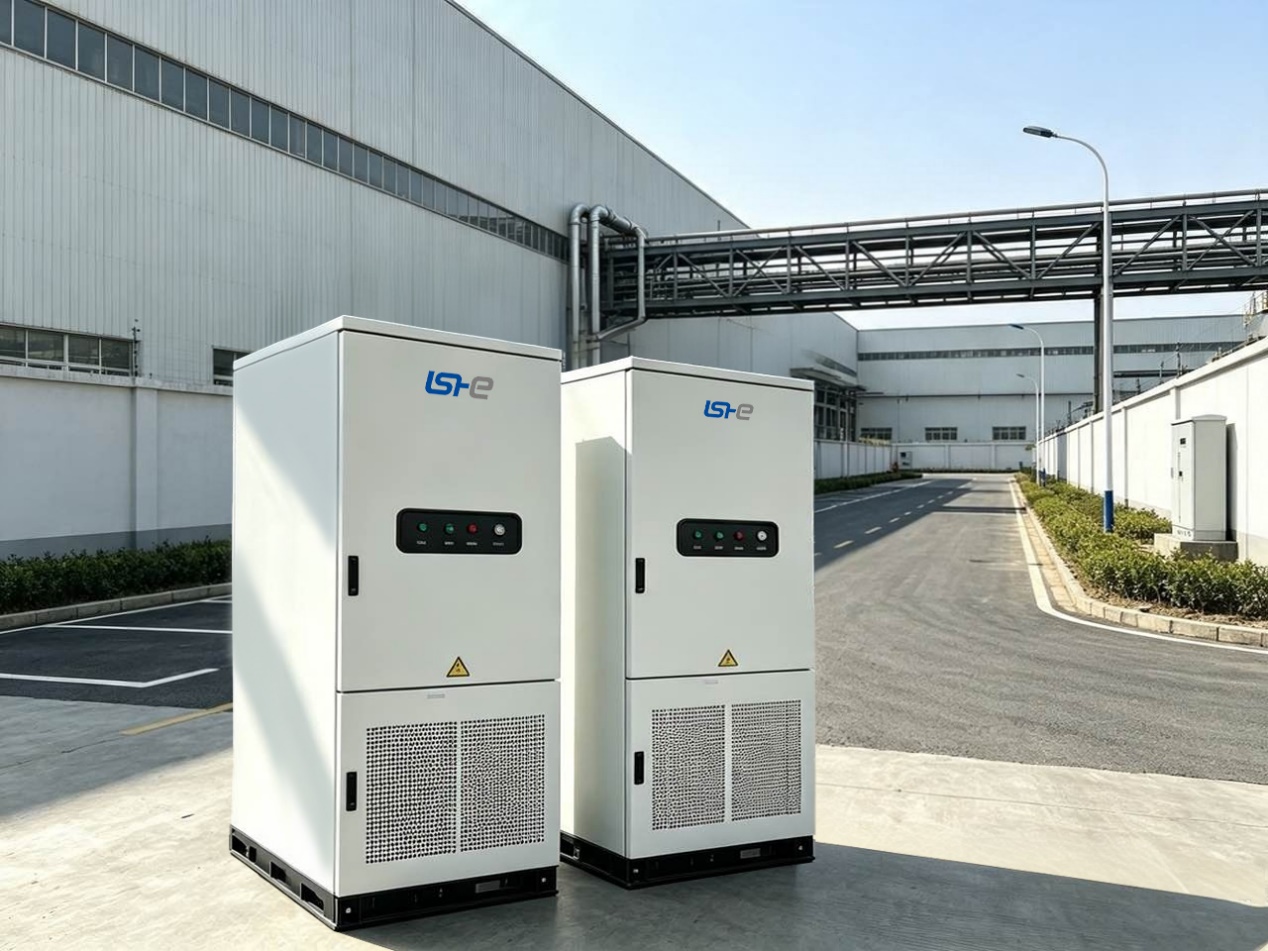
At a factory project in Pahang, the site is equipped with a solar PV system. During periods of high solar generation, however, PV output can exceed the facility’s instantaneous electricity demand.
To address this challenge, Lei Shing Hong Energy integrated a BESS to store surplus solar energy for later use when on-site demand increases or solar generation decreases.
By coordinating solar generation with energy storage and on-site consumption, the solution helps increase the utilization of locally generated renewable energy and reduce the risk associated with excess power being exported to the grid.
This approach allows the factory to make better use of its solar generation while integrating energy storage into its overall power management strategy.
From Applications to Solutions
These three projects demonstrate how BESS can serve different purposes depending on the customer’s energy profile, grid conditions and operating requirements.
From reducing reliance on diesel generation to supporting weaker grid conditions and integrating solar power, energy storage can play a broader role in how businesses manage and use electricity.
At Lei Shing Hong Energy, BESS solutions are developed around the specific requirements of each project, taking into consideration factors such as load characteristics, grid conditions and the existing energy mix.
As energy needs continue to evolve, Lei Shing Hong Energy will continue to explore practical applications of BESS and integrated energy solutions, helping customers pursue more flexible, reliable and efficient energy management.
Post time: Aug-18-2026